
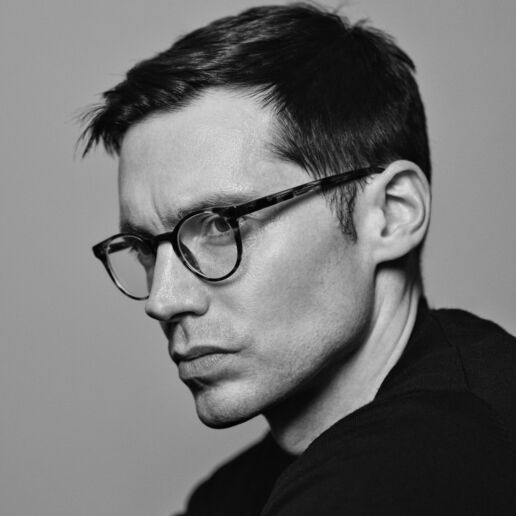
ERDEM MORALIOĞLU – A Journey Through Heritage and Elegance
In his fashion design, Erdem Moralıoğlu blends his Turkish and British heritage, drawing on the contrasts of his childhood travels between Istanbul and Birmingham. Today, his work celebrates timeless elegance and storytelling, fusing tradition with modernity.Portrait Photography Tom Mannion
PAPER I have read about your mixed heritage influencing your work. Can you tell me about your childhood and how it shaped your connection to Istanbul?
ERDEM MORALIOĞLU My mother was British and my father was Turkish. Half of my family was in the UK and the other half in Türkiye and I grew up in Canada, so my childhood involved a lot of travel. We would travel between Birmingham and Istanbul, and I was fascinated by the contrasts between my grandmothers’ houses. Also, I think my parents were often homesick, and perhaps my work has a connection to their daydreaming of home, and the idea of transporting someone to somewhere else.
P Your father is from Antakya, a region rich in history and culture. You spent summers there as a child. Could you share your reflections on your roots in Antakya, your memories of the city?
EM I remember Antakya well. As a child, we spent so much time there as almost half of my family was based there. I particularly remember the food in Antakya being amazing. I remember long summer nights eating outside with the family, and every time we visited, we would go to the Museum of Archaeology, which was always so wonderful. But, more than anything, I remember spending time with my family.
P Were you always drawn to fashion, or did your creative journey start elsewhere?
EM I think I was drawn to fashion the moment I was given a piece of paper and a crayon. Most kids would draw a tree. I would always draw a woman. I understood proportions and drew waists, dresses and skirts. From a very young age, I only ever drew women. As a kid, I became obsessed with Fashion TV with Jeanne Beker and Tim Blanks on “Fashion File”. I was always captivated by the worlds they were showing me and would sit in front of the TV in my basement, seeking out anything I could find that would take me further into the world of fashion.
P Your designs often have a narrative quality, blending history and modernity. How do you find the balance between tradition and innovation?
EM I have always been fascinated by contrast. Whether it’s something feminine combined with themasculine, something beautifully finished combined with something undone, something traditional combined with something modern. These contrasts form my visual language.
P Istanbul is a city rich with history and contradictions. Has it inspired any of your collections?
EM I love Istanbul and its history and as you say, it’s a place of many beautiful contradictions. It’s so inspiring. It hasn’t directly inspired a full collection, but it would be wonderful to explore that in the future.
P Is there a specific location or architectural monument in Istanbul that speaks to you on a personal level?
EM I remember going to Topkapı Palace many times as a child.
P Have you ever drawn inspiration from Turkish women: historical figures, artists or family members?
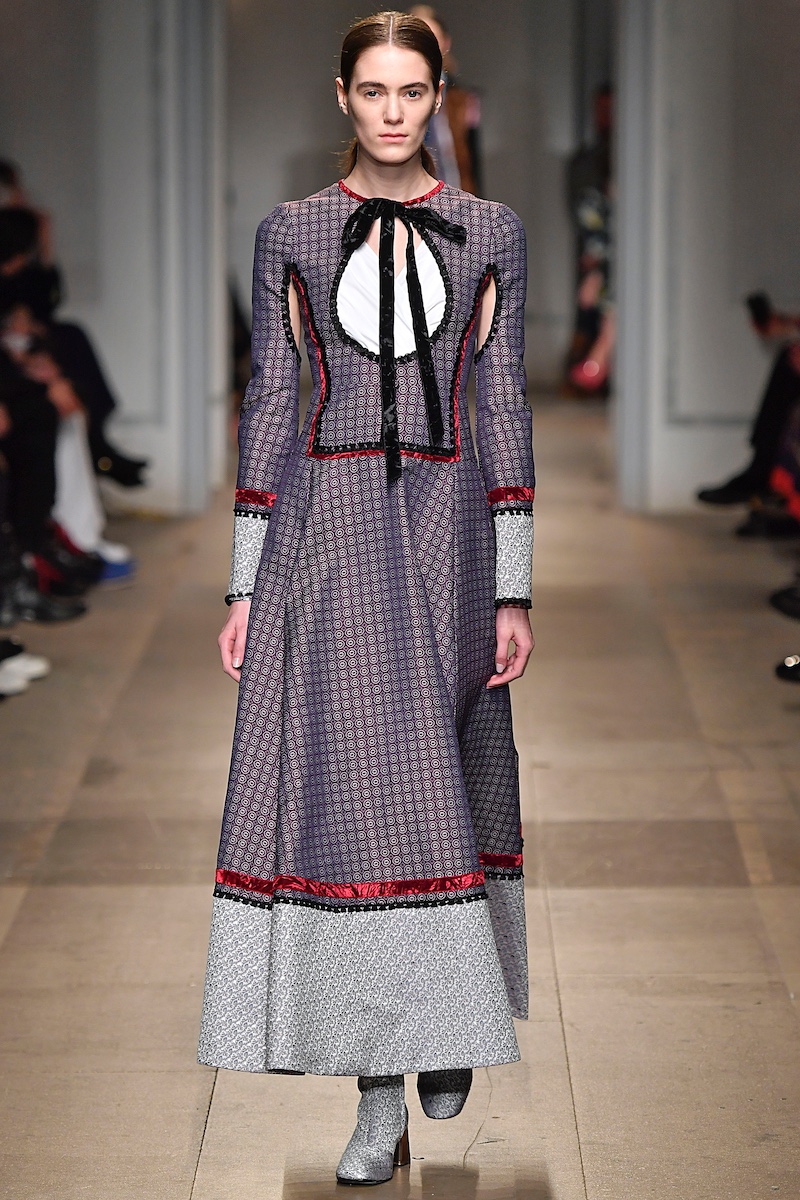
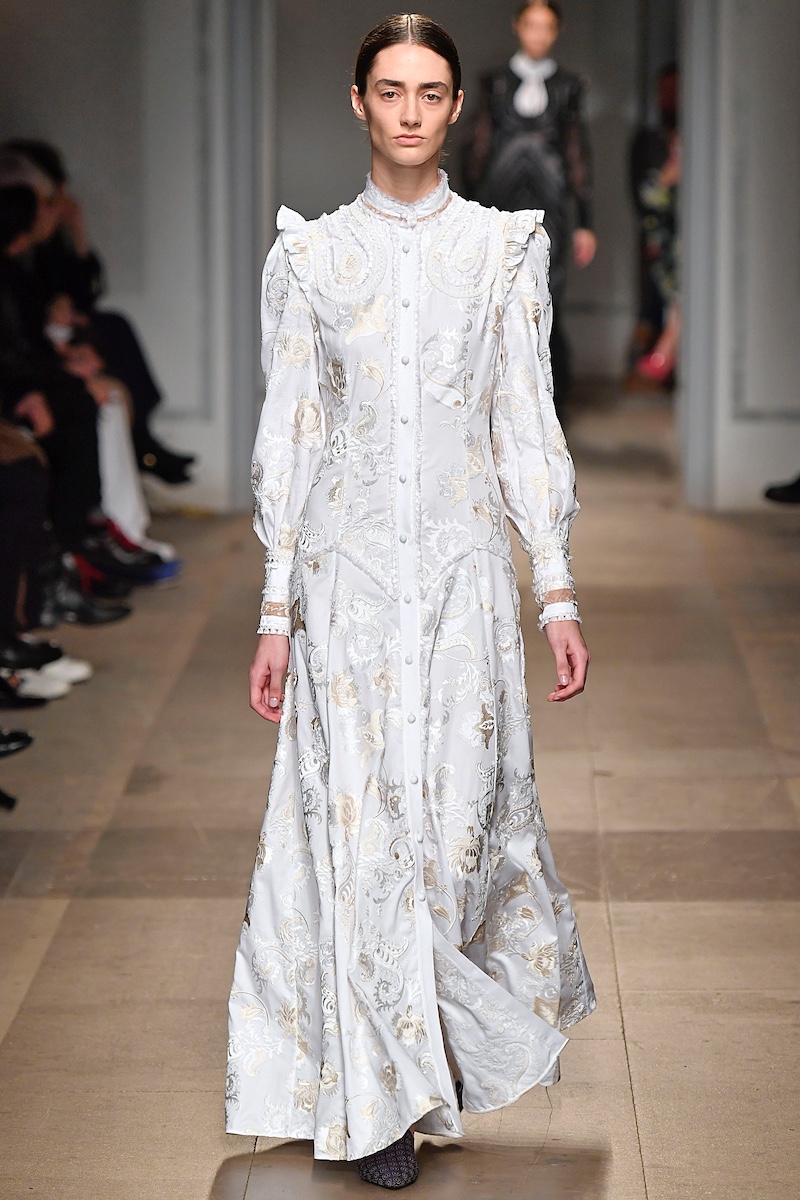
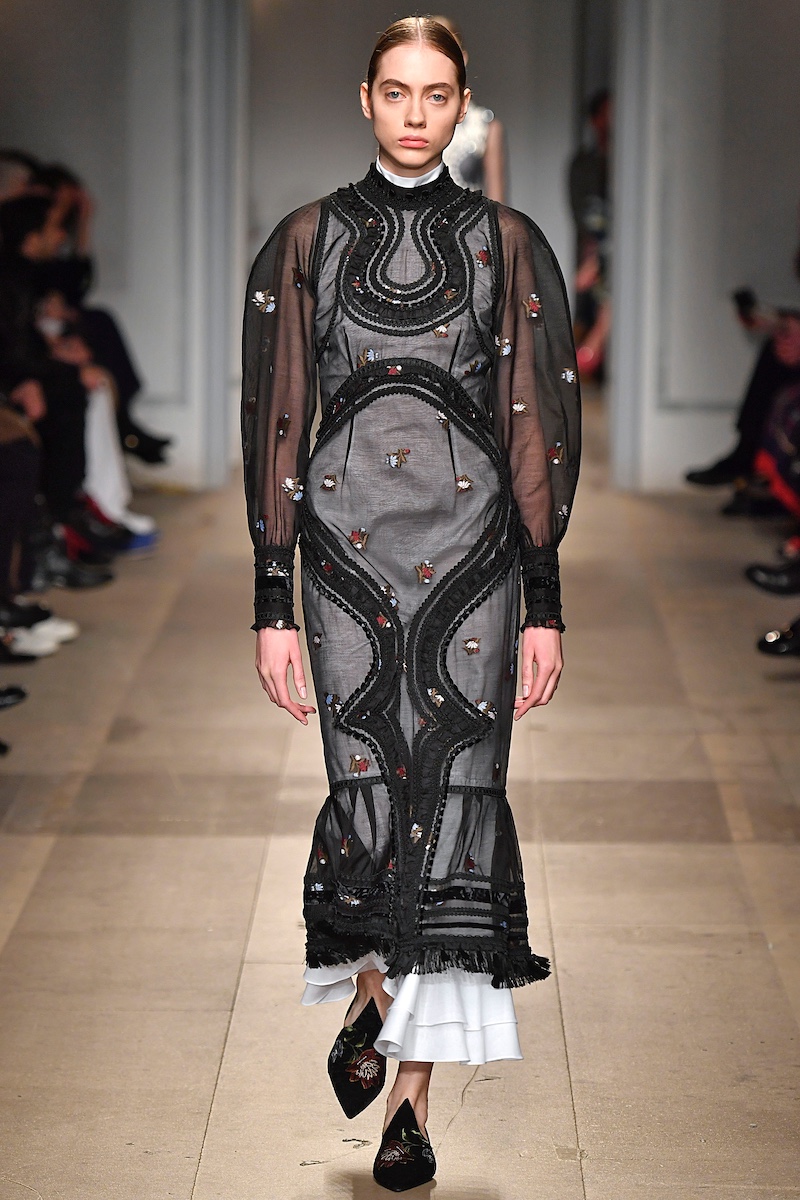
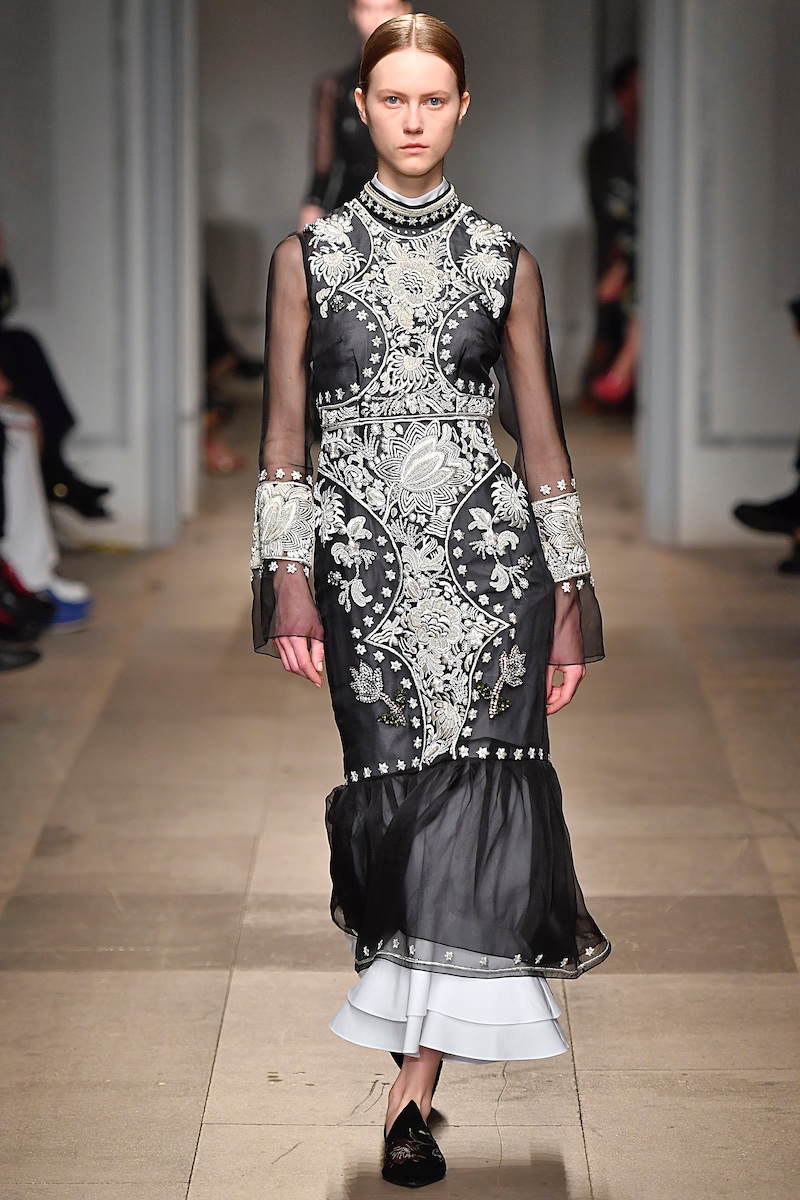
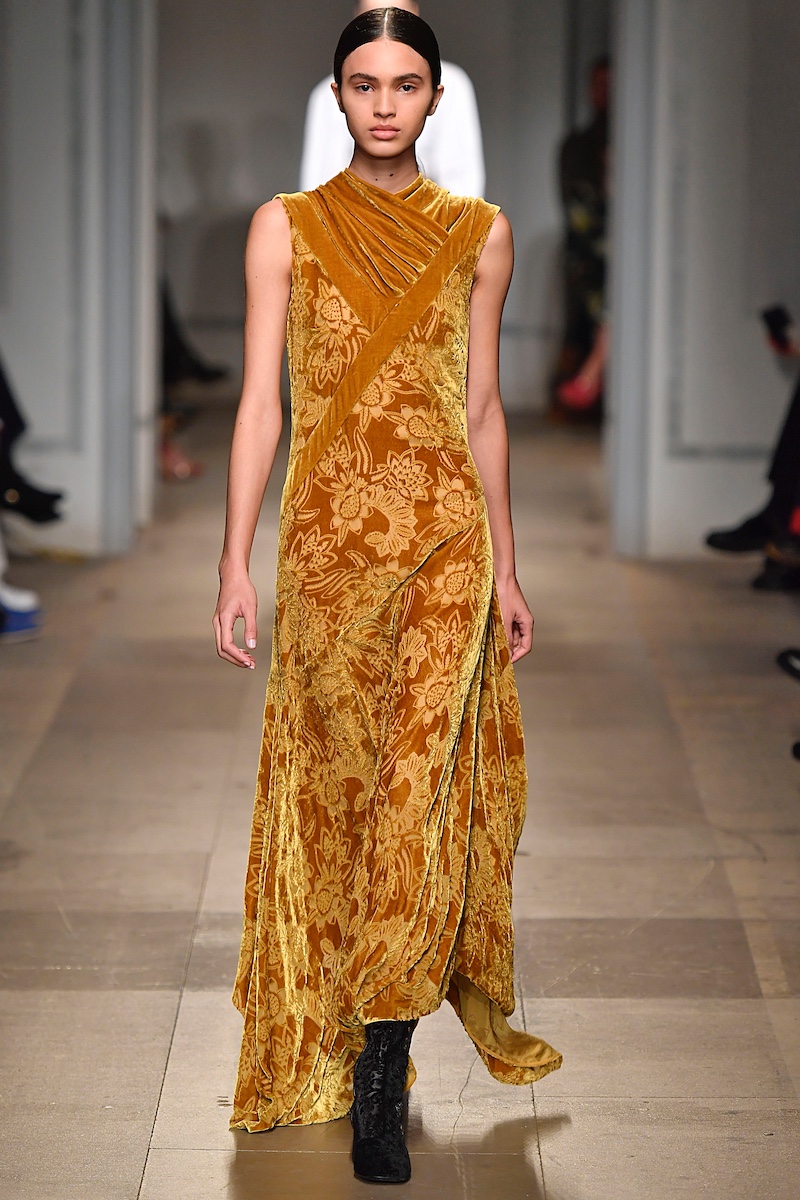
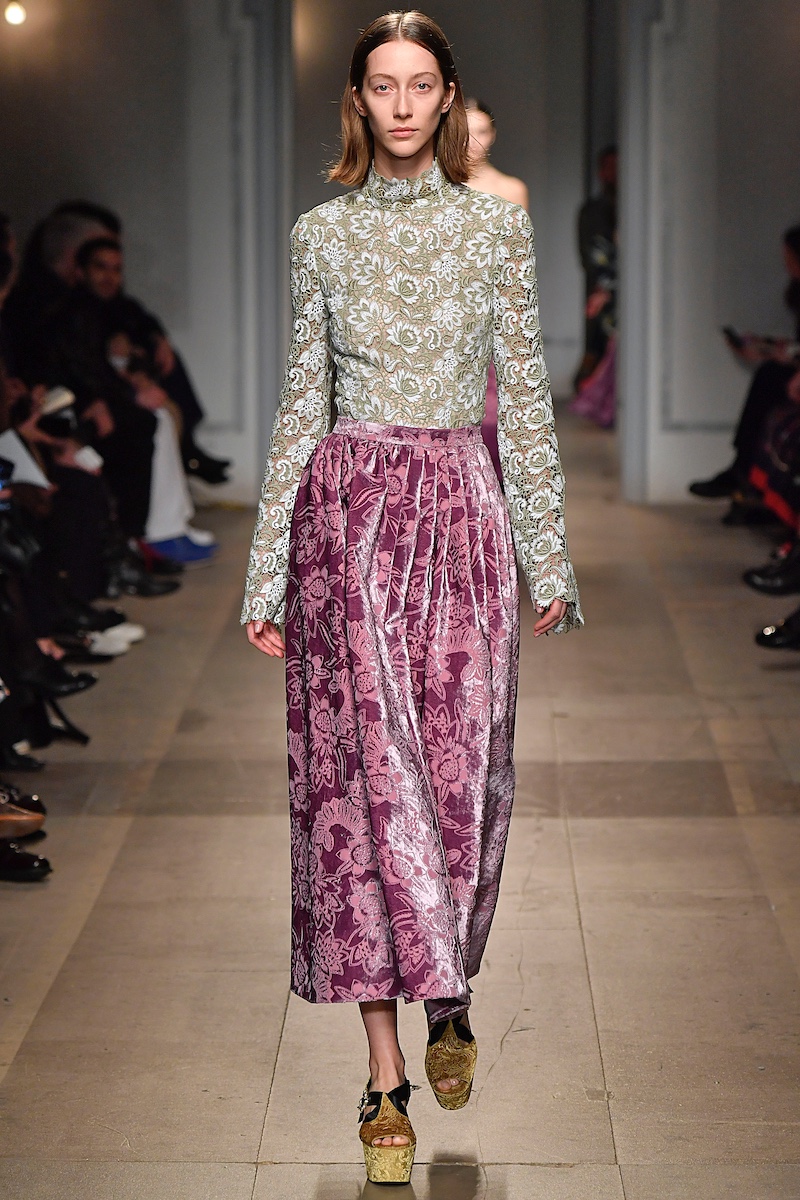
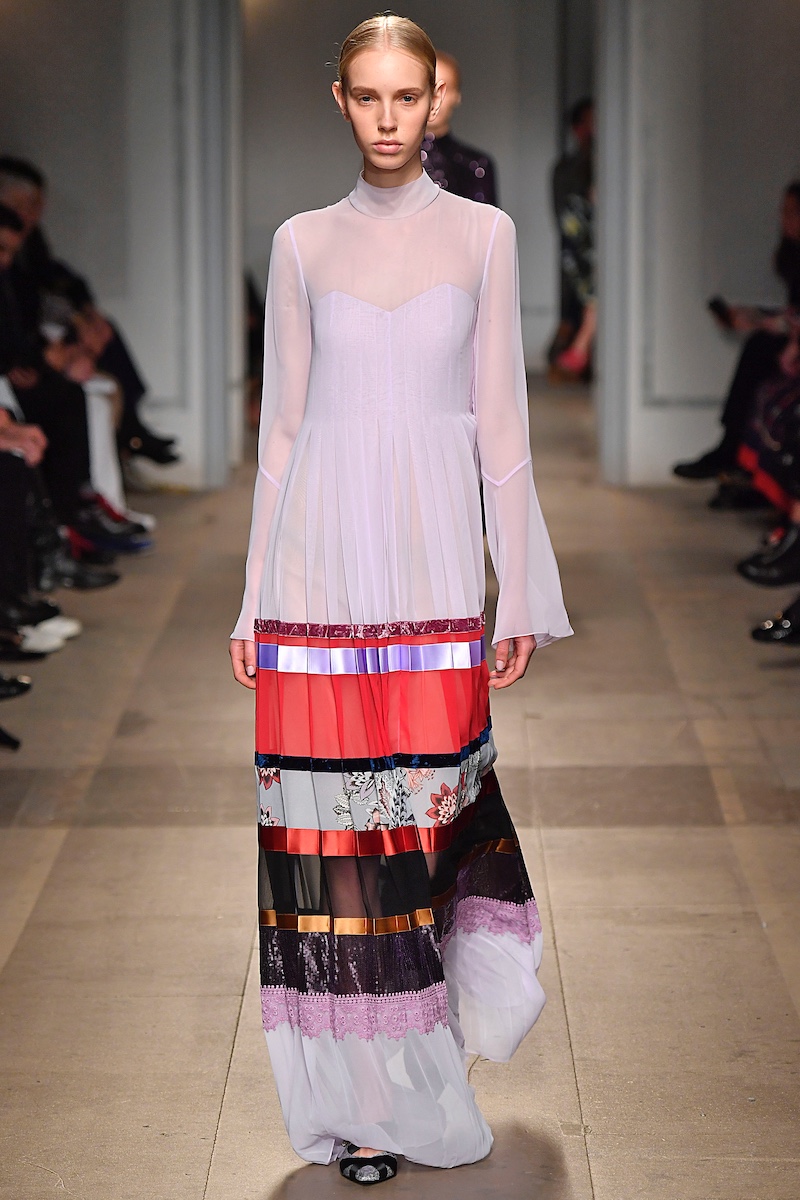
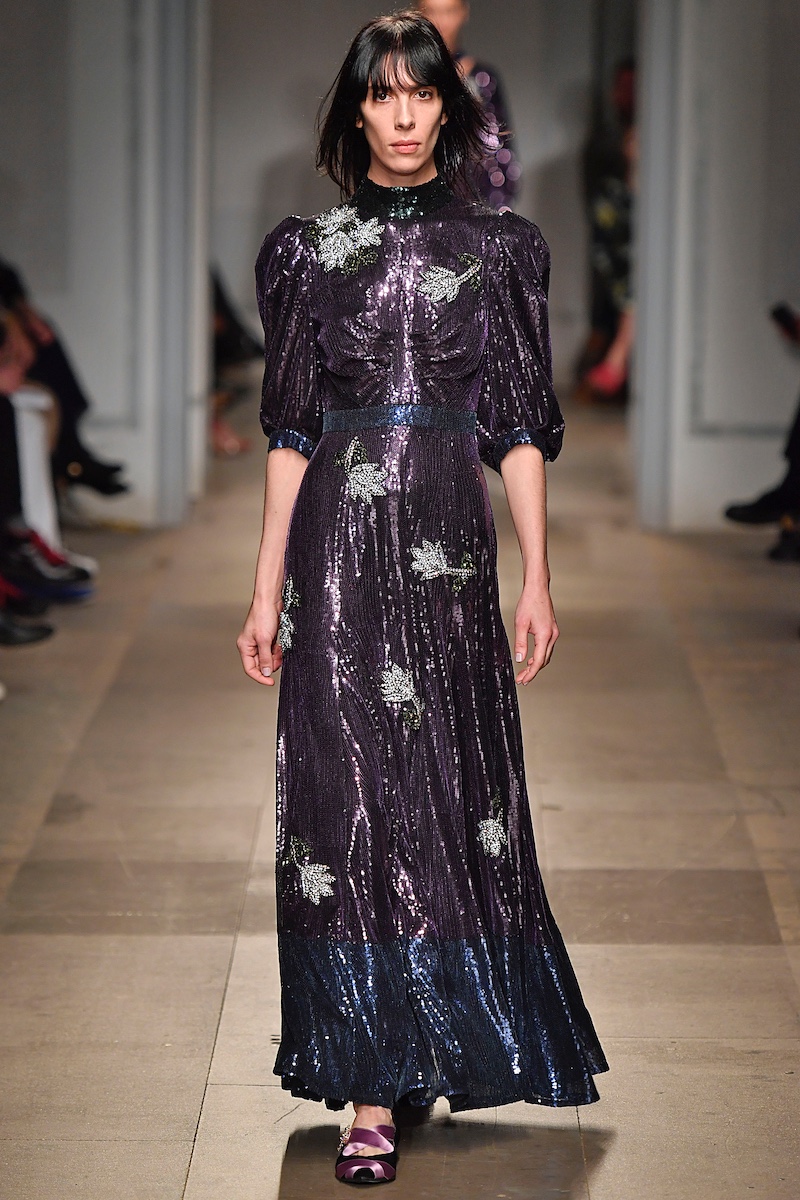
EM For my Autumn/Winter 2017 collection, I started to reflect on my family background, which is something I don’t usually do. My great grandmother on my mother’s side was English and my great-grandmother on my father’s side was Turkish. I was inspired by this idea of an improbable meeting between them, what the exchange and discourse would be between them. The collection was a celebration of the mixture that I would eventually become from these two people from two different cultures, two different religions and two different places.
P When you’re in Istanbul, where do you go to unwind or find inspiration?
EM Maybe it’s a cliché but getting lost in the Grand Bazaar is always inspiring and beautiful.
P Your work has always been celebrated for its timeless elegance and storytelling. How do you see your designs evolving in the next few years?
EM Each season is centred around a narrative that fascinates me and my collections are always formed with a character in mind. I have always been interested in subjects that have a cinematic quality. Even though my muse and inspiration change every season, the storytelling is consistent through every collection.
P Your creative talents extend beyond the realm of fashion—you’ve curated an issue of A Magazine and shot photography for other publications. History also seems to play a significant role in your life. Could you share more about your passions and interests outside the world of fashion?
EM I love photography, literature and have always been particularly interested in the history of art. If I hadn’t become a fashion designer, I think I would have most likely been involved in the art world in some shape or form. Museums and curation were always something that fascinated me.
P You collect busts at auctions. What else do you like to collect?
EM I’m a big collector. Portraits, first-edition books and Victorian jackets are just a few of my obsessions, as well as my extensive bust collection. If something is beautiful, I want to have it.
P Your spouse, Philip Joseph, is an architect, so I would imagine architecture plays a significant role in your life. Since Sanayi313 has strong roots in architecture, I’d love to hear about your connection to this field. How has architecture influenced your creative vision, and does his architectural perspective influence your design?
EM I am married to an architect, so architecture is very close to my heart. It has the power to transport you to a different time, much as fashion can. So it has been amazing to show my collections in some of London’s most iconic cultural institutions, from the V&A to the British Museum.
Erdem Autumn Winter 2017