
BEYOND ERAS AND STYLES: FATOŞ YALIN
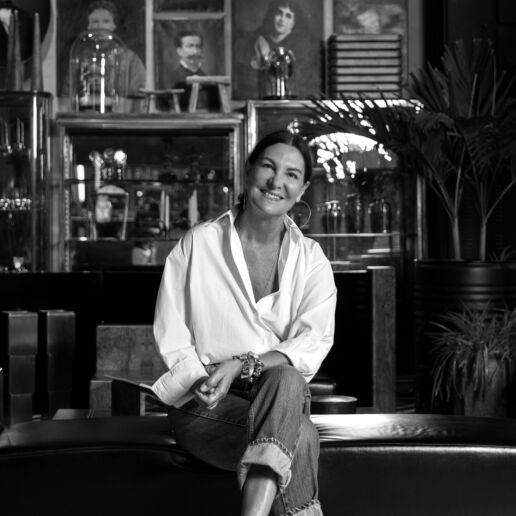
As international women’s magazines and the modern concept of fashion began arriving in Türkiye, Fatoş Yalın stepped into the industry as one of the country’s first fashion editors. Despite a career that can only be described as iconic, she believes that memorable style is a result of courage, not cost, and that people should never take life, or themselves, too seriously. We spoke to Yalın about her publishing career, which spans 25 years of fashion’s golden age, 1990's Istanbul, and her boutique FEY, which recently opened its second location in Athens.Photography Nazlı Erdemirel
PAPER Let’s begin with your journey. Beyond the publishing, you’ve had a career in fashion that covers more than 35 years. Tell us how it started.
FATOŞ YALIN In the ’80s, I had been accepted into Istanbul University, but due to the political unrest at the time, I couldn’t attend. I was working at Club Med to improve my French and began looking for another job. I found a position at Vizon magazine, where I worked on everything from fashion shows and advertising to editorial shoots. After Vizon, I joined Yargıcı and managed the Nişantaşı store for two years. I’ve always loved flipping through magazines and exploring their editorial worlds. In 1989, when I heard Marie Claire was launching in Türkiye, I remember buying the first issue and feeling so happy because it closely resembled the French edition. Three months later, I got a call. They were looking for a fashion editor. That’s how I became Türkiye’s first fashion editor. I held that position for 10 years, then served nearly eight more as fashion director. Eventually, I took a break from the fast-paced, sales-driven world of publishing. I wanted to create something that didn’t have to be sold. During that period, I freelanced and published 10 issues of a magazine called Biz. Later, I returned to the Ciner Media Group, overseeing several magazines, including Marie Claire, until I finally left the publishing world for good in 2012.
P Your magazine career began in the mid 80’s and lasted 25 years. What was it like working in fashion publishing back then?
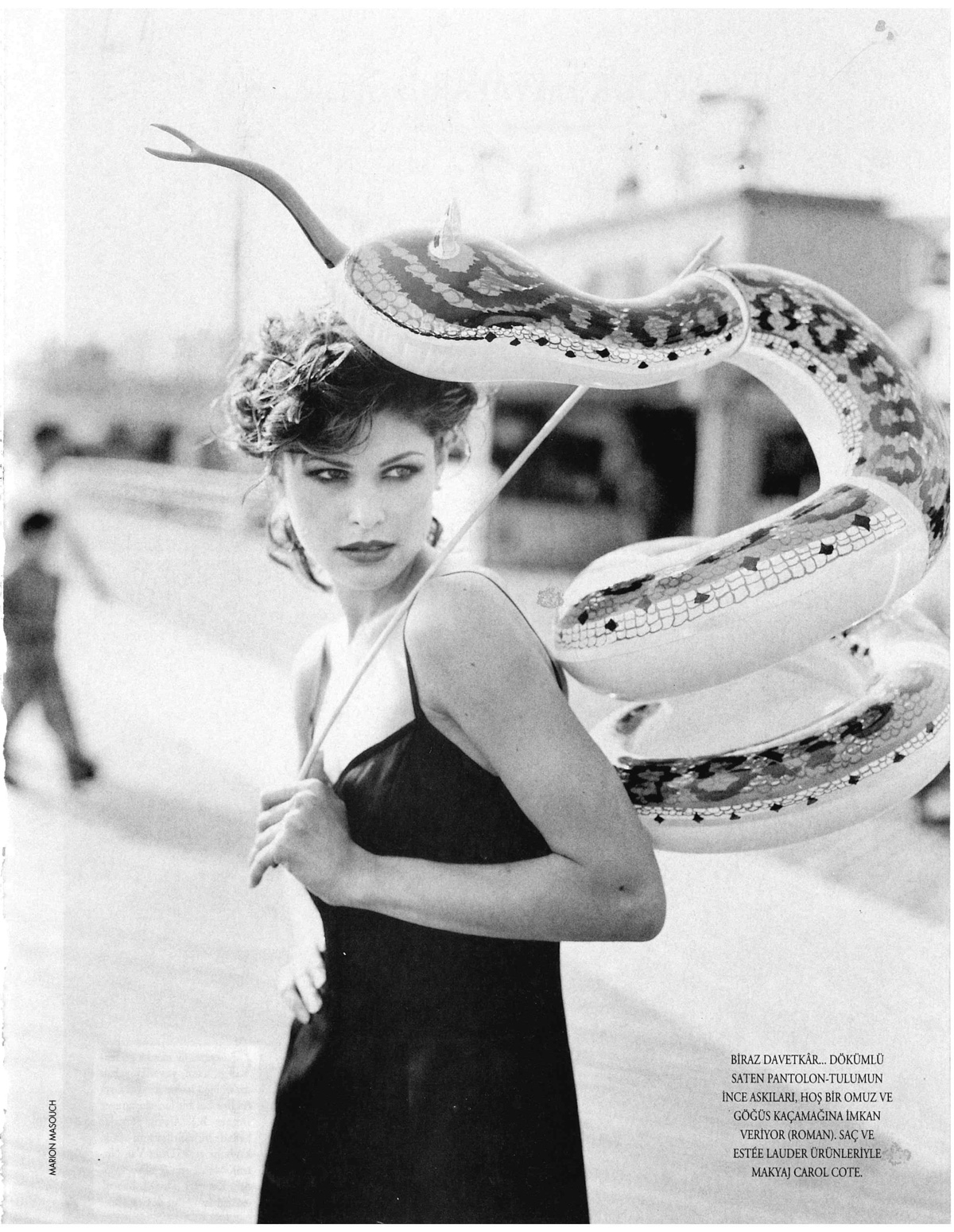
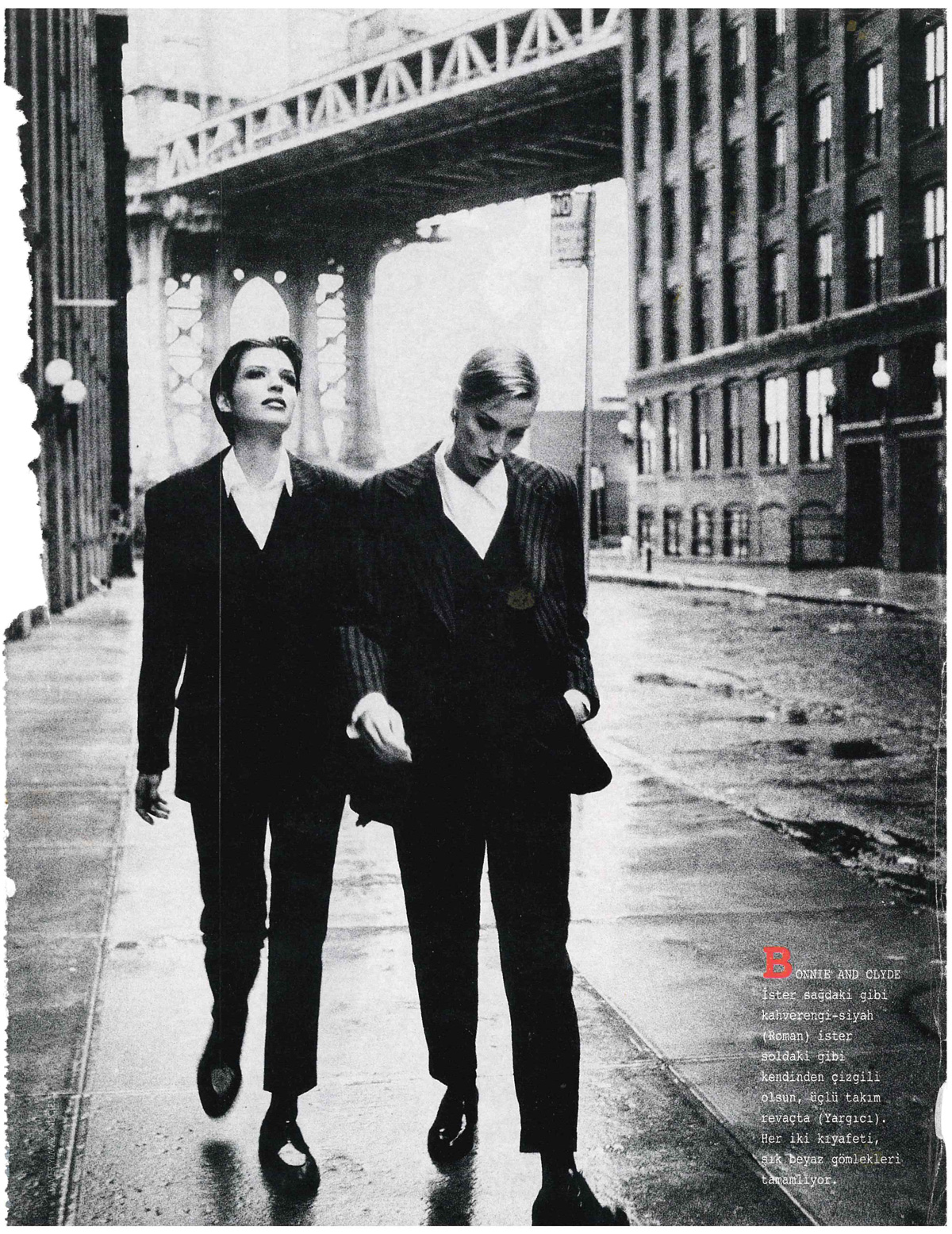
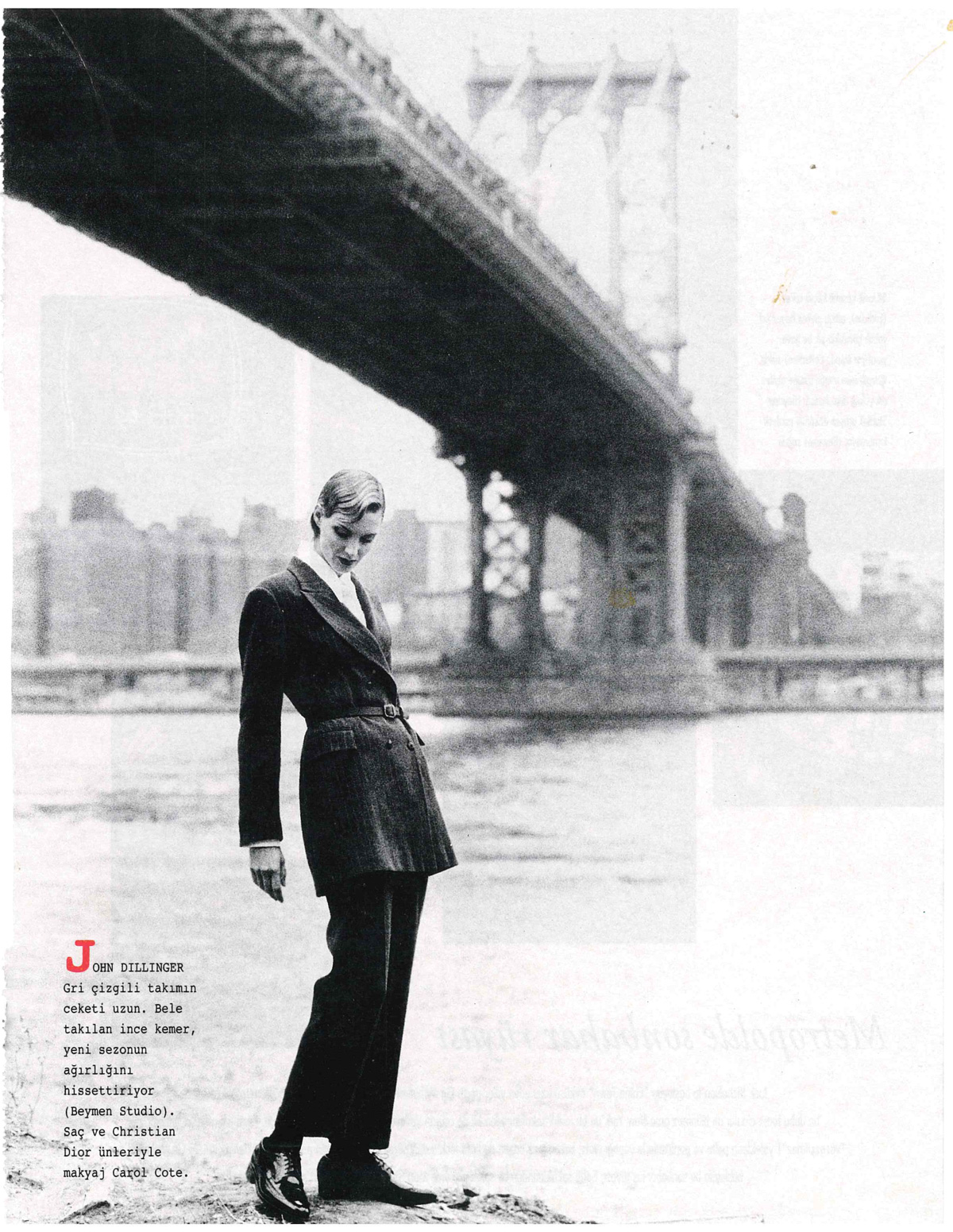
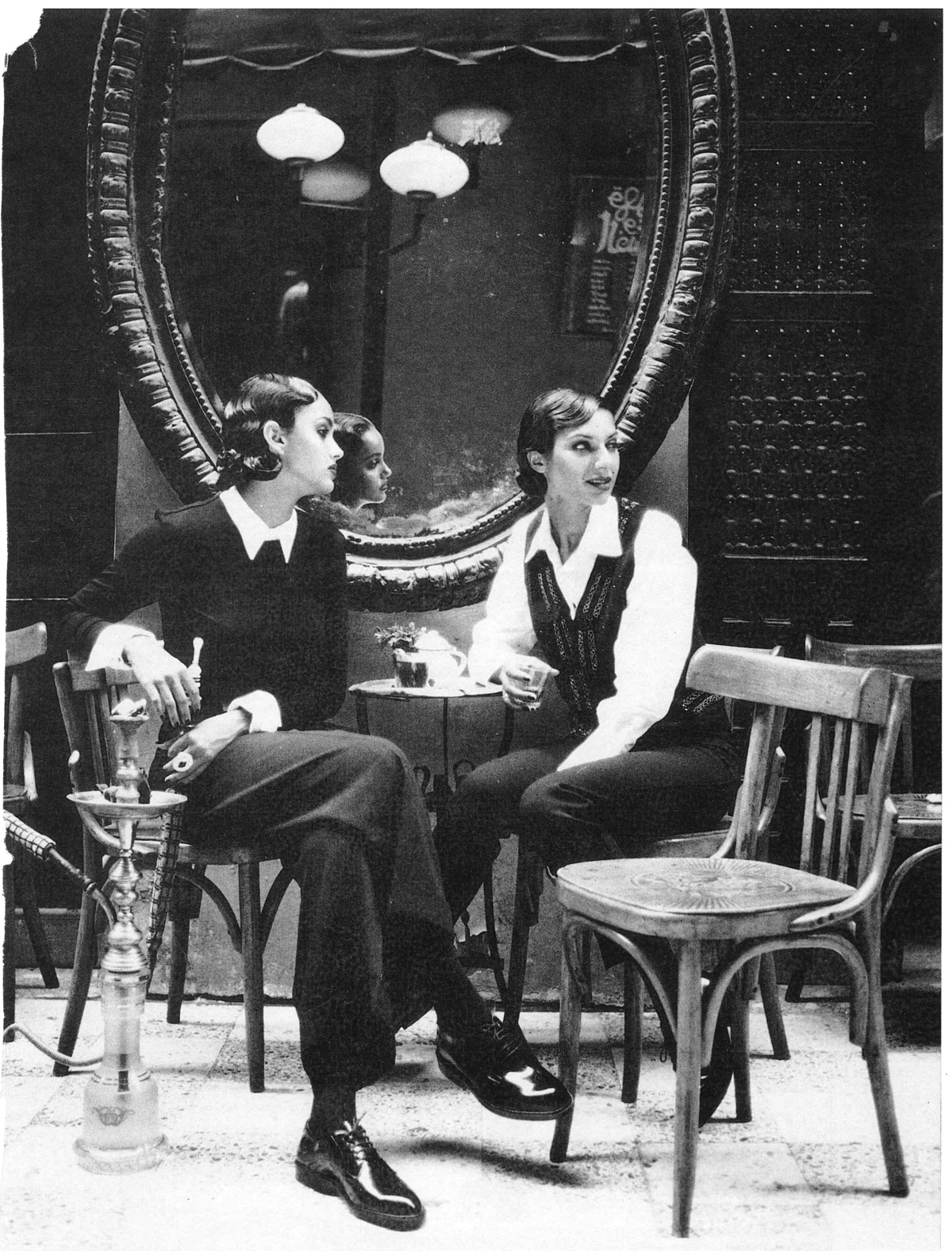
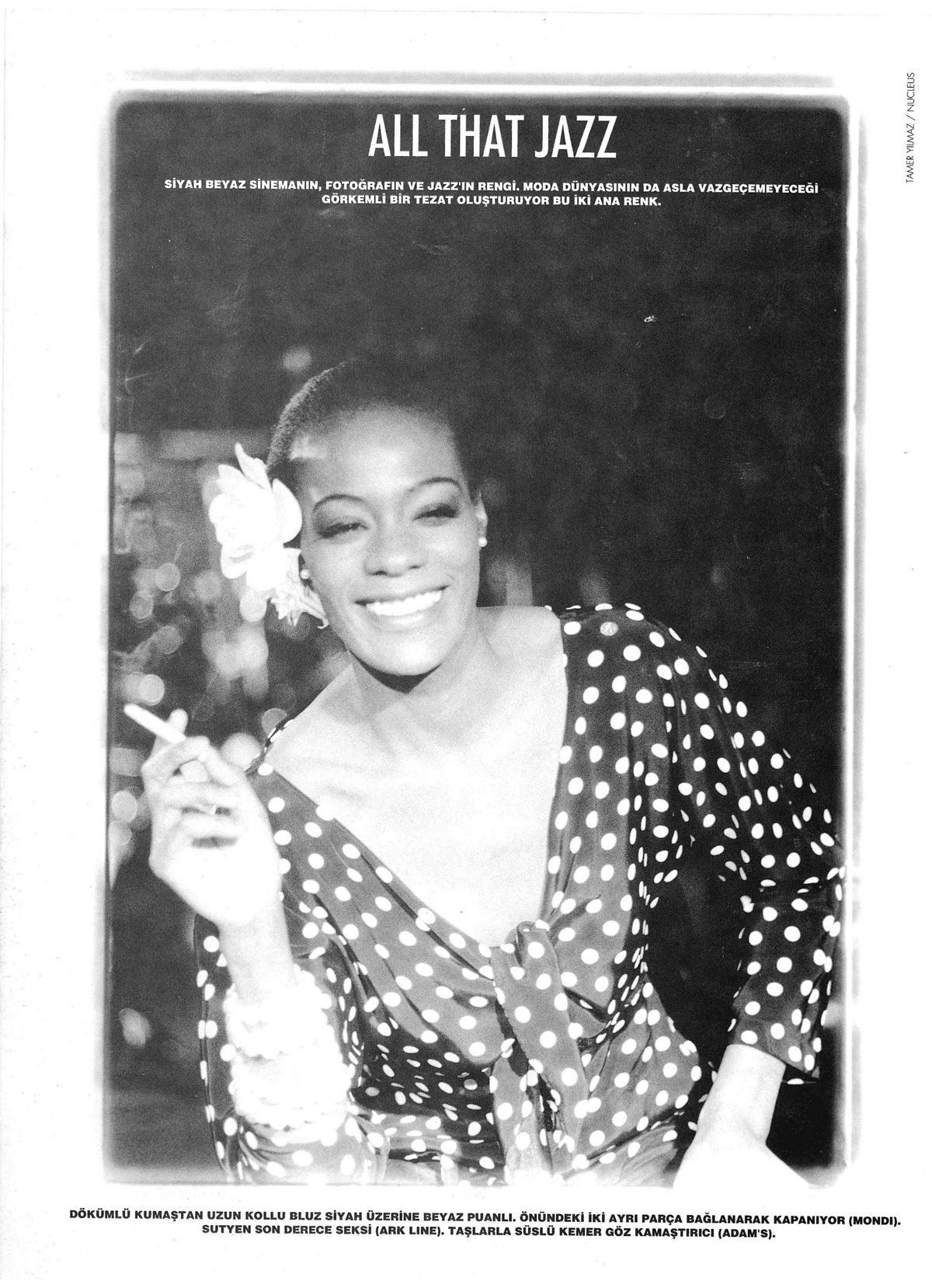
FY I began working at one of the country’s first licensed fashion magazines just four months after it launched. The early days were incredibly difficult. We didn’t have computers. We had to draw layouts by hand, enlarging and reducing them using photo enlargers. Computers came into the picture a few years later, which made design work easier. But finding a photographer, makeup artist or model was still a real challenge. The early ’90s were also when designers were starting to become known globally. It was a time of intense excitement. People were vying to attend runway shows, supermodels were becoming household names and fashion magazines were expanding internationally. We had so much to discover. Since we rarely had the budget to shoot in Türkiye , we traveled extensively through sponsorships, drawing inspiration from the places we visited. We were working in an industry that was growing fast and gaining fame. The best hotels would welcome us at the door, host parties in our honor. It was a whirlwind. For years, I produced shoots that deeply resonated with me and carried strong messages. But over time, the value of print started to fade. In Türkiye, more attention was given to TV and newspapers. Publishing shifted from aesthetics to profit. As digital platforms changed content dramatically, people no longer saw themselves in magazines and started turning away from print.
P What was everyday style like in Istanbul when you first started working in magazines?
FY The style back then was more sincere. People tried to create their own looks, because there weren’t as many brands and creativity was essential. There were hidden boutiques in Beyoğlu selling export surplus items. In Fatih, up the hill toward Horhor, there was a lovely woman named Nicole Catulle who sold beautiful knits. Next to her was a shop that sold vintage coats. We’d buy corduroy trousers from Mudo. When Yargıcı entered our lives, it was thrilling. Looking back, the era was limited in resources but much richer in style.
P Do you think print magazines still reflect a sense of aesthetics or have they become more of a nostalgic ritual?
FY I may be mistaken but it feels like fashion photography is returning to its original spirit. Some photographers are shooting on film again, using traditional techniques. I hope I’m right, because that would be a big step forward. I find overly edited images of models, those that feel pulled straight from cyberspace, completely meaningless.
P Can you tell us the story behind FEY?
FY After 25 years of meaningful work, I felt I had given all I could to the industry and said, “It’s time to do my own thing.” Fourteen years ago, I left publishing. One afternoon, after lunch in Nişantaşı, I was walking down Mim Kemal Öke Street and saw a discreet, tucked-away space for rent. I hadn’t officially left my job yet but I must have known what I wanted. I rented the space immediately. FEY wasn’t meant to be a store but a space, a place to spend time. I didn’t want to sell things, I wanted to exhibit beautiful objects. I didn’t know anything about ready-to-wear at the time, but I learned along the way. Everything we design at FEY is produced in Türkiye. Our products are never discounted. So those who follow us know they’ll find rare, high-quality items.
P FEY offers more than fashion, it suggests a lifestyle. How would you define that lifestyle?
FY In old English, “fey” means “unique, otherworldly.” I came across it in a video where John F. Kennedy described Jackie O.: “She is fey!” He meant that she had whimsical movements and habits. A First Lady who translated Greek poetry while walking around in Oscar de la Renta gowns. It perfectly matched the vision I had in mind.
P What’s the most valuable principle you brought with you from publishing and invested in FEY?
FY I’ve always been a disciplined person. In my work, organisation and a good team are crucial. I learned the importance of working with a small, reliable team during my time in publishing. At FEY, I continue with a trusted few; small but mighty.
P As someone with timeless taste, how do you view fashion and trends? Where would you say your aesthetic sensibility comes from?
FY Fashion is created to be fast and disposable. The place to seek timelessness is not in fashion, but in style. That’s why people who get caught up in trends often end up feeling unfulfilled, despite all their shopping. Style, however, is remembered thanks to taste and courage, not spending. Wearing a shirt and trousers to a wedding, for example, is a bold choice. Today, everyone’s wearing draped dresses. It’s all about blending in. My parents were both visual people. My father was a topographer and painter. His artwork was stunning. My mother was an incredibly elegant woman, my idol. Thanks to them, I grew up surrounded by music and art. When I was 13, my father told me, “Always make your own decisions, manage your own time, and take responsibility for what you do.” Because of that, I never felt the need to conform or imitate. When you’re raised that way, you become confident. You keep pursuing what you love with conviction. In the end, nothing in life is all that serious. If you do something with love and true desire, you will succeed.
P Is there anything in fashion right now that really excites you?
FY Josep Font excites me the most. He’s been quiet recently, but his past collections bring me joy. I adore his work. There’s also a Polish brand called Chylak. I love how their designs are inspired by their cultural heritage.
P What neighbourhoods, eras or places in Istanbul have left the deepest impression on you?
FY I’m so glad I grew up in Istanbul. I lived through its shortages, power cuts, water outages, difficult transportation, bad smells, linden blossoms, moonlit nights, music festivals, sunny spring days. We lived in Etiler-Ulus for 30 years. Back then, there were only eight apartment buildings surrounded by forest. Water came by tanker. Ulus was practically the outskirts. When it snowed, life stopped. These hardships taught us a lot and fired our imaginations. I used to find the Grand Bazaar endlessly fascinating. I’d go whenever I could. And my parents used to tell such vivid stories about Büyükada in the 1950s that I grew up dreaming of it.
P Do you have a personal ritual that always helps you return to yourself?
FY Spending time at home with friends grounds me. My daily rhythm is usually home to work, work to home. But lately, with the newly opened FEY store in Athens, I’ve been traveling there often. It reminds me of Istanbul in the ’80s and ’90s. There’s something about it that makes you feel good. Everyone knows each other, the streets are modest and charming and people seem genuinely happy.