
The ’90s: A New Fashion, Art, Music and Identity
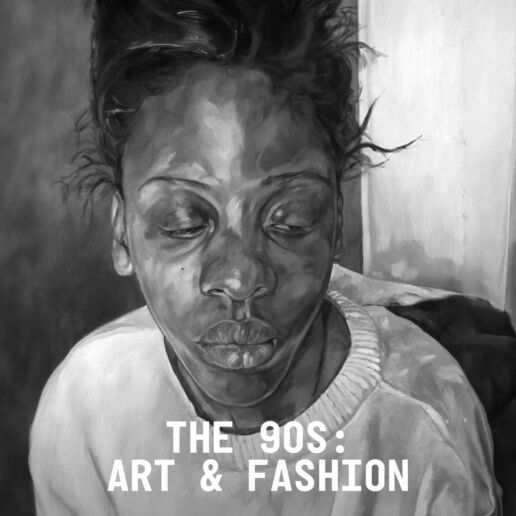
The 90’s: Art and Fashion, is set to run from October 8, 2026, to February 14, 2027 at Tate Britain. Curated by Edward Enninful OBE, the major retrospective explores the rebellious, DIY spirit that redefined British cultural identity before the digital age completely took over. While Tate Britain is getting ready to celebrate the creative energy of the 90s, we're looking back at the decade's defining artistic and fashion revolutions that took plance in our latest issue.
Glam, Grunge and the Avant-Garde
The avant-garde originally referred to the frontline troops of the French army. It now describes innovative individuals or experimental works. This “progressive” movement aims to challenge conventional norms and push boundaries. Its origins can be traced back to the ideas of poet, writer and philosopher Dante Alighieri in 13th-century Florence and to the 15th-century Italian Renaissance. Having established its own heroes during the early 1900s, this vanguard of thought and creativity still influences the modern world to this day.
George Michael’s 1990 hit single “Freedom” marked the beginning of the nineties. While trying to stay out of the limelight and navigate his own struggles around identity and the pitfalls of fame, Michael chose David Fincher to directthe music video, which would feature the era’s most iconic models. This collaboration brought together the worlds offashion, film and entertainment in a way that caught the imagination of a broad public. Christy Turlington, Cindy Crawford, Naomi Campbell, Linda Evangelista, and Tatjana Patitz gained mainstream fame comparable to Kendall Jenner and Kim Kardashian but they did it without the benefit of social media. This was the nineties, a decade that again helped to push the limits of freedom of expression and individuality.
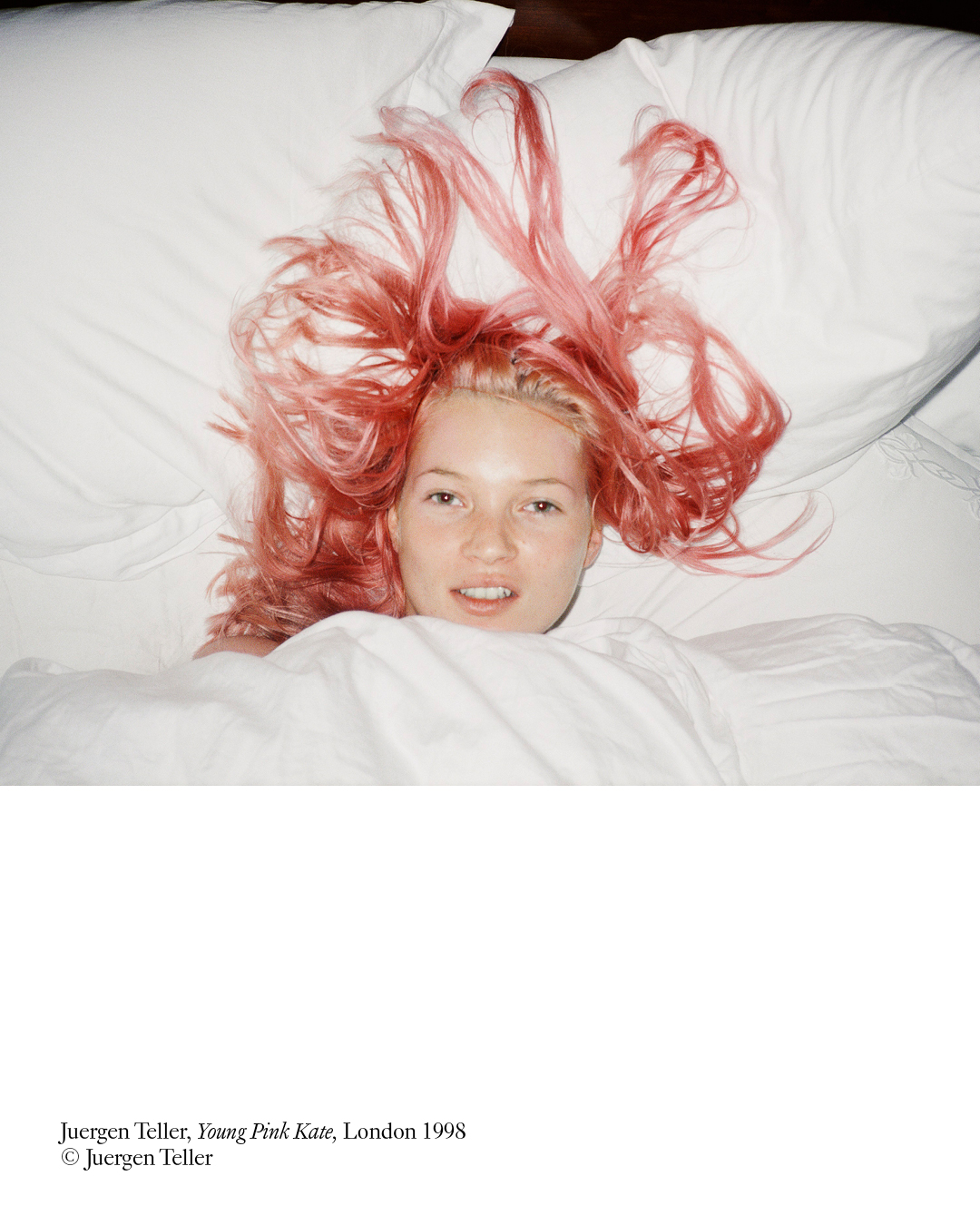
The first major change of the ’90s was in people’s perceptions of beauty. The neat and tidy “vintage glamour” looks endorsed by Anna Wintour, the editor-in-chief of Vogue, were challenged by the messy and rebellious “grunge” style. This was when the image of a skinny Kate Moss holding a cigarette became ingrained in our collective memory. Nirvana’s 1991 debut, “Nevermind,” took the world by storm, selling over 30 million copies worldwide. Yet, its lead singer, Kurt Cobain, could never have imagined that his checkered flannel shirt and trapper hat would inspire the global grunge trend a year later, as seen in Marc Jacobs’ new spring collection for Perry Ellis, which Moss, herself, would flaunt on the catwalk. Meanwhile, Calvin Klein and Helmut Lang, interpreting Jacobs’ curiosity to live in the present from a completely different perspective, redrew the boundaries of minimalism, accusing the fashion world of being too obsessed with the past and too worried about the future. Before she started dating John F. Kennedy Jr. in 1994 and died tragically in 1999, publicist Carolyn Bessette represented a simple and natural elegance on the covers of magazines. Across the Atlantic, Kate Moss was criticized for looking anorexic, adding the term “heroin chic” to our vocabulary. However, she remained wildly popular with the fashion aristocracy, frequently gracing the cover of the British magazine i-D and appearing in the sensational Calvin Klein underwear campaign alongside actor and rapper Mark Wahlberg (a.k.a Marky Mark). The decade was offering a greater diversity of expression and style and an increasing number of platforms where it could be expressed.
Contradictory but Independent Ideas
The subversive and experimental mood of the era soon captivated those practicing architecture and making art. Damien Hirst’s shark; ‘The Physical Impossibility of Death in the Mind of Someone Living’, submerged in formaldehyde, Tracey Emin’s messy bed; ‘My Bed’, displayed at London’s Tate Modern, Banksy’s early graffiti, and Frank Gehry’s Guggenheim Museum in Bilbao all distinctly represent the nineties. Visualising these images is like flipping through a diary of the decade.
Discovering identities and exposing vulnerabilities was not a trend confined to the art scene.The music industry also fully embraced this period. Songs by Nirvana, Oasis, Pearl Jam, and Soundgarden criticized society, while Tupac Shakur, The Notorious B.I.G., Lauryn Hill, Lil’ Kim, and Missy Elliott emerged as hip-hop heavyweights with their anti-racist lyrics advocating for equality. Even mainstream pop music acted as a catalyst for change, reaching millions through MTV. Britney Spears and Madonna in the 1990s were not only singers but also global cultural icons.
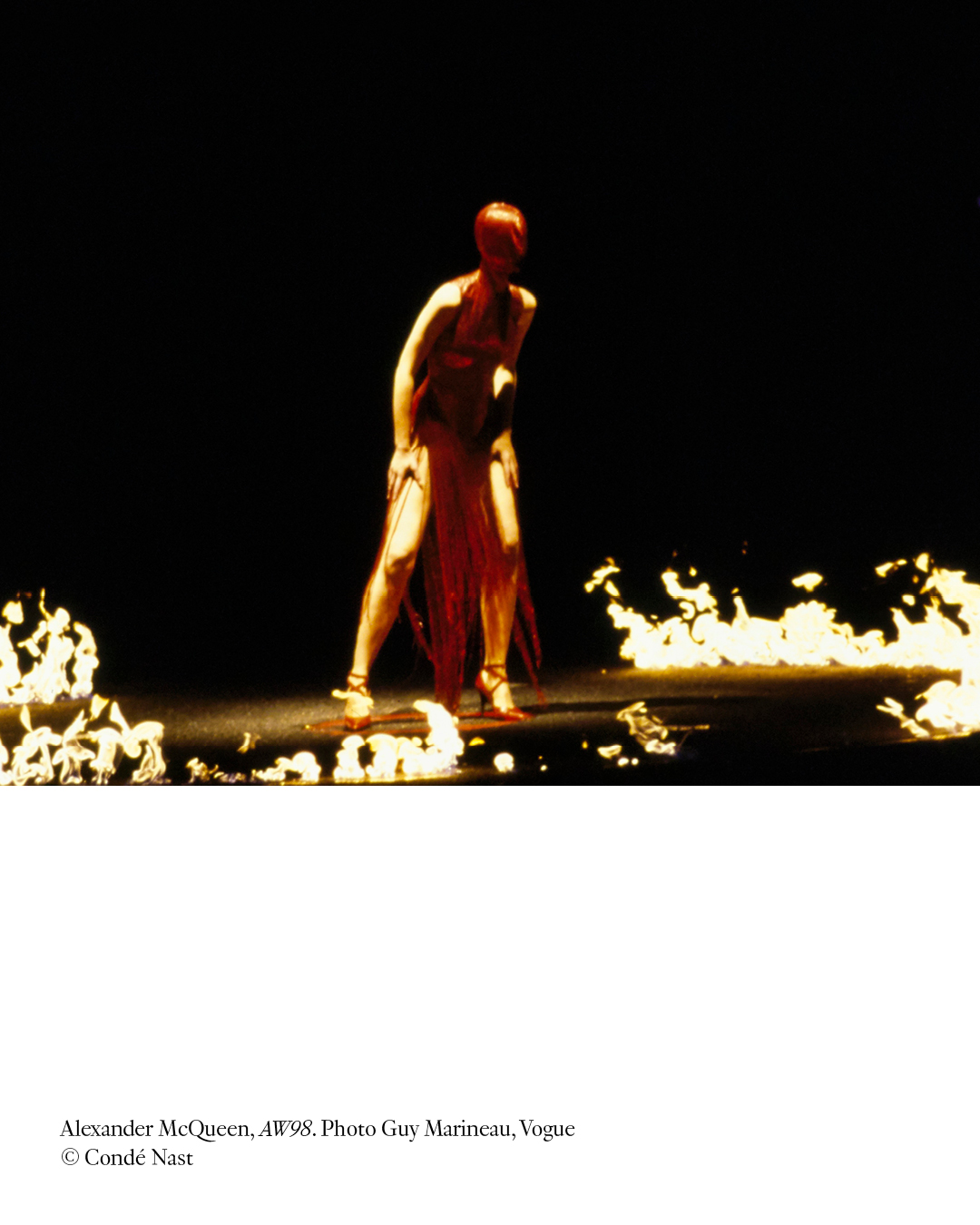
By the mid-nineties, British designers were not only dominating the fashion scene, they were also richly and diversely creative. Alexander McQueen became the creative director of the French fashion giant Givenchy at the age of 27, while John Galliano took control of Dior, and Stella McCartney succeeded the acclaimed Karl Lagerfeld at Chloé. The Galliano-designed Dior dress worn by Princess Diana at the Met Gala red carpet in 1996 remains a vivid image for many. Inspired by Dante’s Inferno, McQueen created groundbreaking fashion shows for Givenchy from 1996 to 2001, reshaping the brand that was once associated with Audrey Hepburn. With designs reminiscent of Studio 54, the hottest nightclub of the era, the ever-provocative Tom Ford revitalized the “boring” image of the Italian fashion house Gucci, transforming the struggling brand into a profit-maker. At the opposite end of the spectrum was Miuccia Prada’s sophisticated and minimalist style. Elsewhere, Tom Ford’s unforgettable thong design and Mario Testino’s photograph of Carmen Kass contributed to the sexy chic trend in fashion literature. Prada made people question the perception of ugliness and beauty more deeply than ever with geometric patterns, closed collars, and short thick-heeled sandals. The lead actors of “Sex&The City” appeared on television in 1998 as the embodiment of all these contradictions in the fashion world, going on to influence generations. Baz Luhrmann’s “Romeo & Juliet”, dressed in Prada and Dolce & Gabbana, which appeared on the big screen two years before Carrie Bradshaw, summarises the fashion scene of the period.
This extraordinary decade is as innovative, dramatic, and unforgettable as Shakespeare’s classic play from 1597, later reinterpreted by Luhrmann four centuries later. By pushing the boundaries of self-expression, giving rise to new paradigms, and celebrating individuality, the nineties will be remembered as a rich time of creativity. In 2025, we can still be captivated by the visuals from this era.